
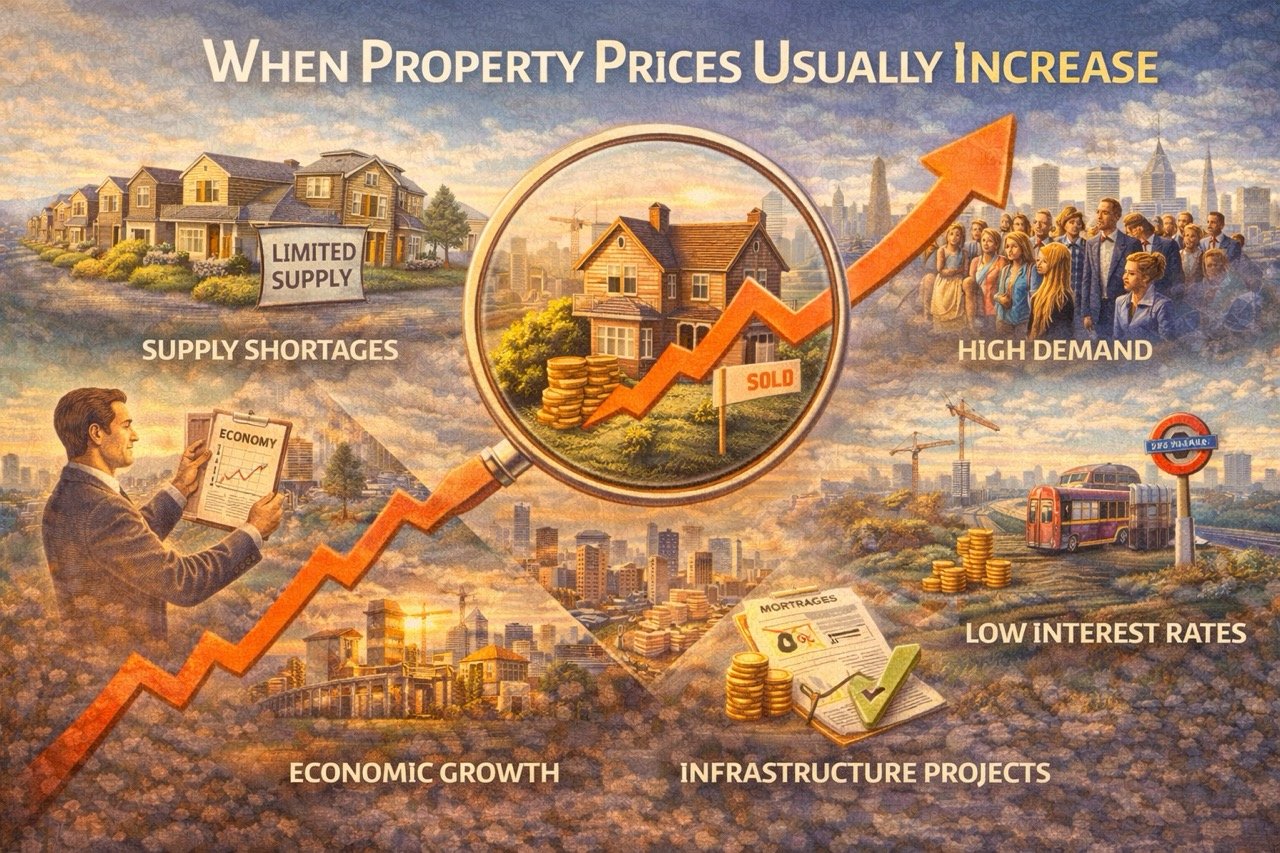
How supply shortage impacts prices is one of the most important factors in property markets. When there are fewer properties available, competition increases. As a result, prices often rise quickly. If you are exploring London properties for sale, understanding supply levels can help you make better decisions.
How supply shortage impacts prices explained
Supply shortage happens when demand is higher than available properties. This creates competition among buyers. As more people try to buy limited properties, prices increase.
In addition, sellers gain stronger negotiating power. Buyers may need to act quickly or offer higher prices. Because of this, markets with low supply often experience faster price growth. Many buyers use London property search tools to monitor how quickly properties are being sold.
Limited supply increases competition
When supply is low, competition becomes intense. Buyers often compete for the same property. This can lead to bidding situations.
As a result, final prices can be higher than expected. In strong markets, properties may sell within days. Therefore, buyers must be prepared to act fast.
Impact on long-term price growth
Supply shortage does not only affect short-term prices. It also supports long-term growth. When new developments are limited, demand continues to push prices upward.
In cities like London, land availability is limited. Because of this, supply cannot increase easily. This creates consistent pressure on prices over time. Many investors review UK housing demand statistics to understand how supply and demand affect long-term trends.
Rental prices and supply shortage
Supply shortage also affects rental markets. When fewer rental properties are available, rents increase. Tenants have fewer options, which drives competition.
As a result, landlords benefit from higher rental income. This makes property investment more attractive. Investors often compare rental demand across UK property platforms to identify high-performing areas.
Why some areas feel the impact more
Not all areas experience the same level of supply shortage. Central and well-connected locations often have higher demand. Because of this, supply shortages are more noticeable in these areas.
In contrast, areas with more available land may see slower price growth. Therefore, location plays a key role in how supply affects prices.
Risks of supply imbalance
Although supply shortage increases prices, it can also create challenges. Buyers may overpay due to competition. In addition, rapid price growth can reduce affordability.
Because of this, investors should analyze the market carefully. Understanding whether price growth is sustainable is very important.
Conclusion
How supply shortage impacts prices depends on demand, location, and market conditions. Limited supply increases competition and drives prices higher.
However, buyers should act carefully. Study supply levels, demand trends, and long-term potential. By doing this, you can make smarter investment decisions and avoid overpaying.




Join The Discussion